Emotional Intelligence – Why Is It One of the Most Important Skills a Child Can Learn?

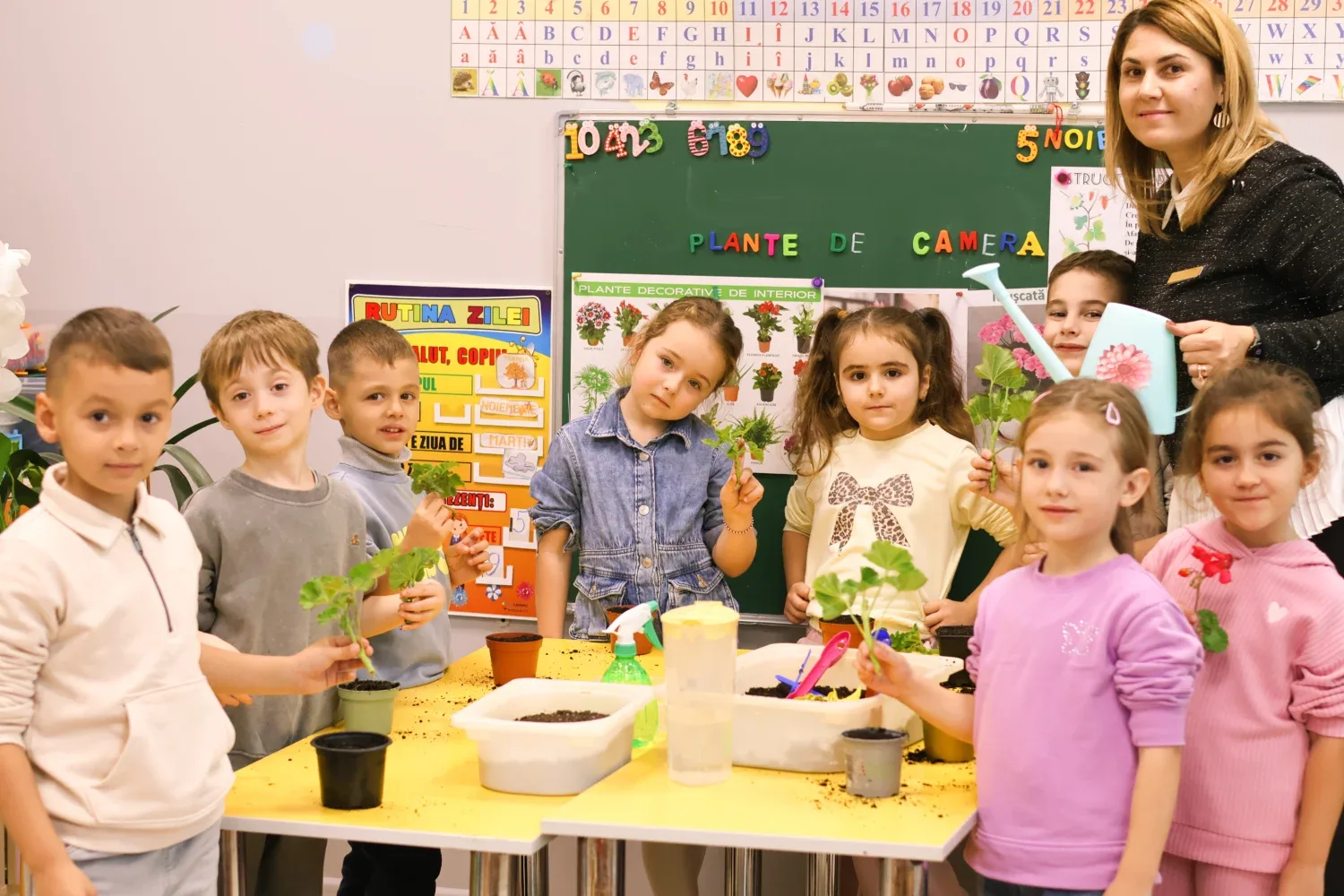
A 5-year-old who can read or solve difficult math problems is easy to impress. But the real challenge comes when they lose a game, get into an argument with a classmate, receive a reprimand from a teacher, or have to try again after a failure.
At times like these, it is not academic intelligence that makes the difference, but emotional intelligence – a child’s ability to understand their emotions, manage them, and build healthy relationships with those around them.
Today, a growing body of research shows that this skill influences not only a child’s well-being, but also their academic performance, social relationships, and success as an adult.
What is emotional intelligence?
The concept of emotional intelligence was popularized by psychologist Daniel Goleman, who demonstrated that a person’s success depends not only on IQ, but also on how they manage their emotions and their relationships with others.
In children, emotional intelligence refers to the ability to:
- recognize and name what I'm feeling;
- understands other people's emotions;
- manage frustrations and disappointments;
- control one's impulses;
- communicate respectfully;
- cooperate and resolve conflicts.
Just like riding a bike or reading, these skills are learned and practiced over time.
Why is it so important?
Many parents focus on academic performance, but this is also influenced by emotional development.
A child who can control their emotions:
✔ is better able to concentrate on activities;
✔ dares to ask questions when they don't understand;
✔ is more accepting of mistakes and learns from them;
✔ works better with others;
✔ makes friends more easily;
✔ handles conflicts without aggression.
In contrast, children who lack these skills may become more anxious, avoid challenges, give up easily, or react impulsively in difficult situations.
What does the research say?
The importance of social-emotional development is supported by numerous international studies.
A meta-analysis conducted by CASEL, which included more than 270,000 students, showed that social-emotional learning programs contribute to:
- better academic performance (on average by about 11%);
- reducing aggressive behaviors;
- healthier relationships among children;
- lower levels of anxiety;
- better adjustment to school.
In turn, OECD points out that perseverance, empathy, self-control, and collaboration influence long-term success just as much as academic performance.
This is why more and more schools around the world are placing special emphasis on developing social-emotional skills starting in the early years of education.
How can you tell if a child needs more support?
Every child is different. Sometimes, intense reactions are natural and part of normal development.
However, if you frequently notice one or more of the behaviors listed below, it is helpful to pay extra attention to emotional development:
- gets upset very easily and has a hard time calming down;
- gives up quickly when something doesn't work out;
- avoids new activities for fear of making mistakes;
- has frequent conflicts with other children;
- He finds it hard to talk about how he feels;
- reacts impulsively before thinking;
- gets overly discouraged by minor mistakes.
These behaviors aren't necessarily a problem, but they may be a sign that your child needs more opportunities to learn how to manage their emotions.
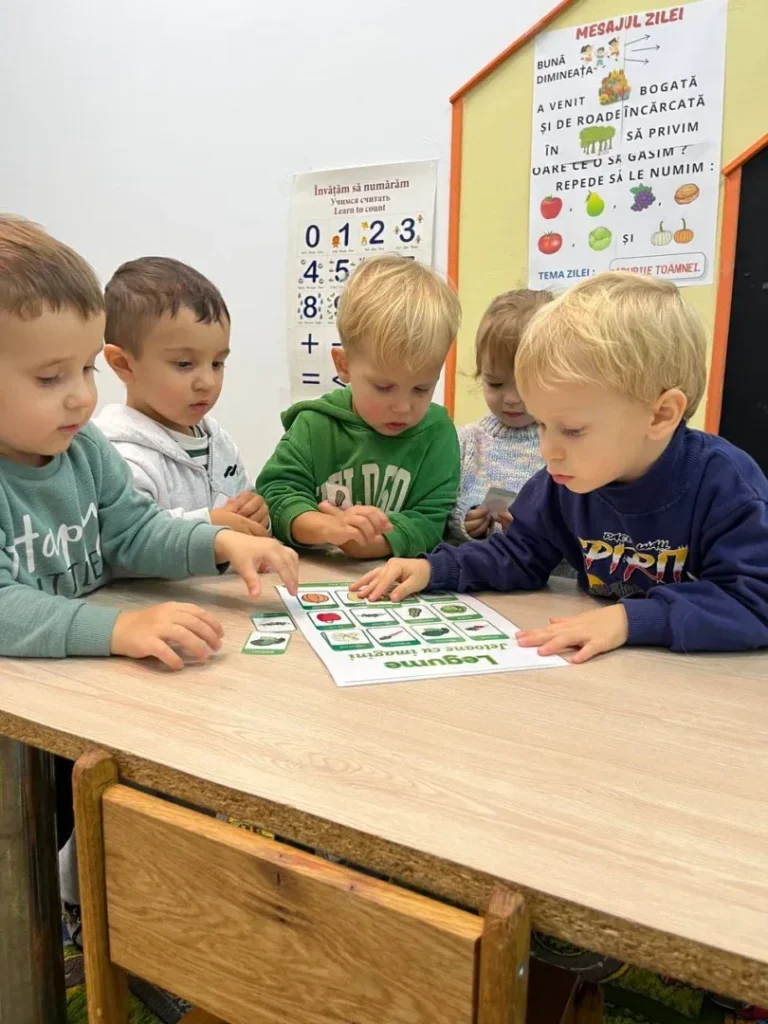
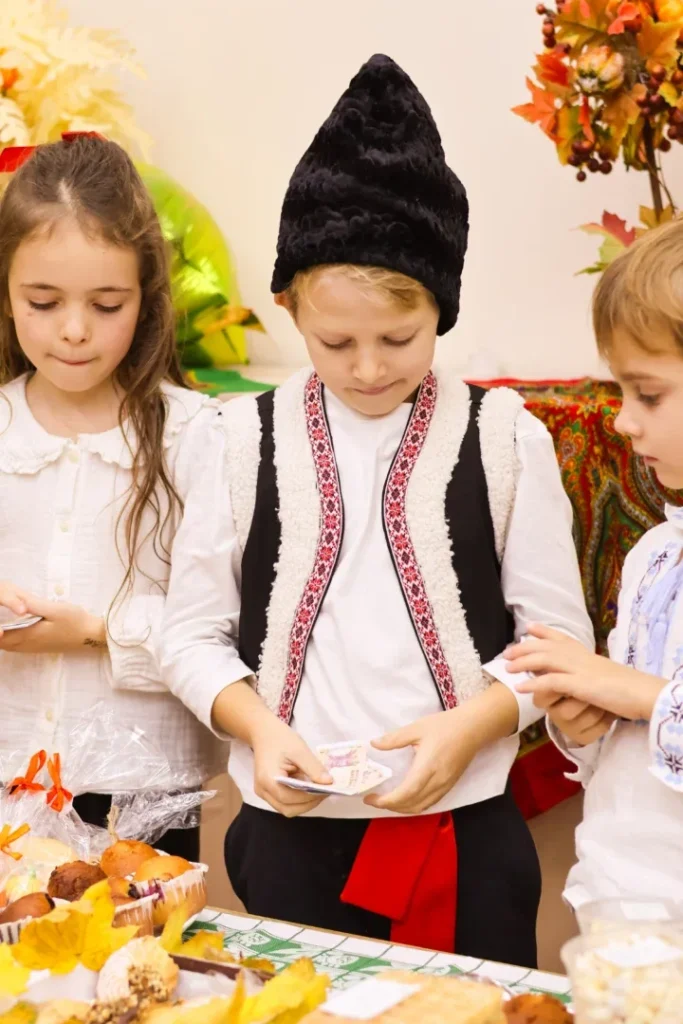
What can parents do at home?
The development of emotional intelligence begins in the family, through everyday interactions.
Talk about your feelings
Instead of saying:
"Stop crying."
Try:
"I can tell you're sad. Would you like to tell me what happened?"
In this way, the child learns to recognize and express his or her emotions.
Acknowledge your emotions
All emotions are normal.
Not all behaviors are acceptable.
The message the child needs to hear is:
"I understand that you're angry. Let's work together to find an appropriate way to express that anger."
Be a role model
Children learn more from what they see than from what they are told.
An adult who apologizes, speaks calmly, and manages their own emotions teaches the most valuable lesson.
Encourage problem-solving
Instead of immediately resolving your child's conflicts, ask:
- "What solution do you see?"
- “How do you think your coworker felt?”
- "What could you do differently next time?"
In this way, the child develops empathy and critical thinking.
Myth or truth?
“Emotional intelligence is something you’re born with.”
Myth. There are differences in temperament among children, but emotional intelligence develops through experiences, relationships, and education.
"A sensitive child is weaker."
Myth. Sensitivity can become a valuable resource when a child learns to understand and manage their emotions.
"Emotional intelligence is just as important as academic performance."
Truth. Research shows that emotional skills help children learn better, collaborate, and cope with challenges in the long term.
How do we foster the development of emotional intelligence at FasTracKids and Bright Wise?
At Bright Wise, we believe that education means the harmonious development of the whole child.
For this reason, we are developing a course dedicated to emotional intelligence, aimed at children in pre-kindergarten (Grade 0) and first grade.
Through games, stories, hands-on exercises, group activities, and situations inspired by everyday life, children learn to:
- recognize and express emotions in a healthy way;
- develop empathy;
- manage conflicts;
- communicate assertively;
- work together as a team;
- build confidence in their own abilities.
Our goal is for every child to acquire skills that will help them not only in school, but also in their relationships with family, friends, and, later on, in their adult lives.
4. Encourage your child to communicate with peers
If a child rarely interacts with other children, the first few days in a new group can be an additional source of stress and anxiety for him or her. An unfamiliar environment, the large number of children, and the need to interact with them can cause feelings of insecurity.
To help your child adjust more easily, create opportunities for them to interact with other children well in advance. Visit playgrounds, playrooms, and educational activities more often, or spend time with other families who have children.
Playing together helps children develop their communication skills, teaches them to share, negotiate, follow simple rules, and feel more confident in a group.
The more positive experiences a child has communicating with peers before starting preschool, the easier and smoother the adjustment will be.
Education for the future begins with the child's holistic development
Reading, math, and foreign languages are essential. But just as important are the ability to cooperate, to have self-confidence, to manage emotions, and to build healthy relationships.
Emotional intelligence is not a separate discipline, but rather the foundation upon which all other forms of learning are built.
When a child learns to understand themselves, to understand others, and to manage their emotions, we are giving them one of the most valuable tools they will ever have.