
What skills will be in demand in the future, and how should schools change?

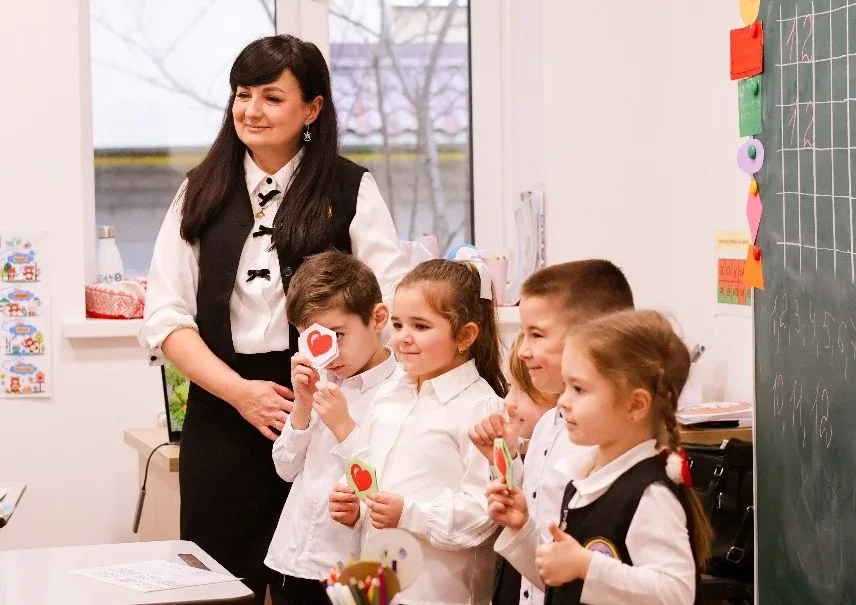
The modern world is changing at a rapid pace. Advances in technology and artificial intelligence, along with ongoing transformations in the labor market, are prompting us to take a fresh look at the role of education. Today, one of the most important missions of schools is to prepare children for life and for the professions of the future—many of which do not even exist yet.
Studies conducted by prestigious international organizations, such as World Economic Forum, OECD and UNESCO, shows that, in a constantly changing world, a person’s success depends less and less on the amount of knowledge they have accumulated and more and more on the level of development of their key competencies. These include critical thinking, creativity, the ability to adapt to change, the ability to collaborate effectively with others, emotional intelligence, and a commitment to lifelong learning. For this reason, educational systems in many countries are rethinking their traditional approaches to the learning process, placing increasing emphasis on the development of practical skills, personal qualities, and the abilities necessary for a successful life and a fulfilling career in the 21st century.
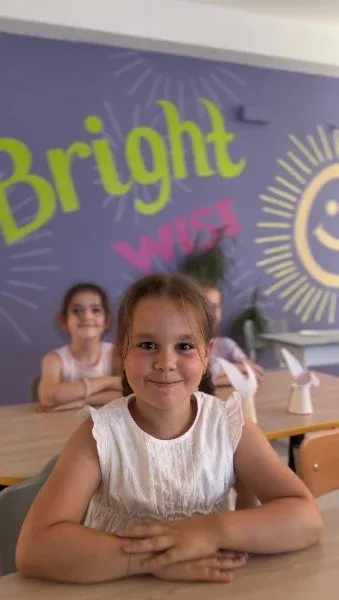
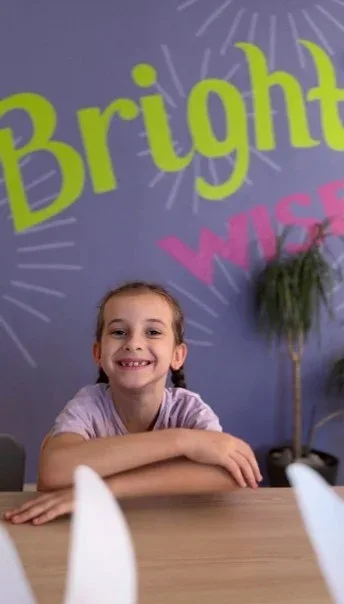
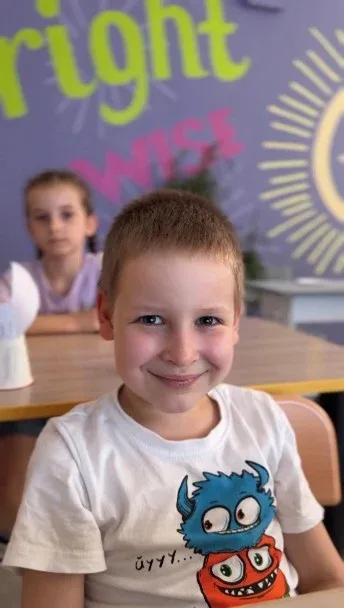
It is precisely these principles that form the basis of the school's educational philosophy Bright Wise. We are convinced that modern schools must prepare children not only to pass their exams successfully, but also for life in a constantly changing world. That is why our educational program combines a solid academic foundation with the development of personal qualities, practical skills, and the competencies necessary for future success.
In addition to the subjects included in the national curriculum, students Bright Wise studies subjects focused on developing the skills of the future: "Emotional Intelligence", “The School of Attention”, "I can do it on my own", robotics and entrepreneurship. These activities help children develop critical thinking, independence, emotional balance, creativity, communication skills, and the ability to find solutions to unusual situations — qualities that are already recognized as some of the most important skills of the 21st century.
An important part of the educational program Bright Wise is dedicated to the in-depth study of foreign languages. Starting in preschool, children study English daily, and beginning in first grade, they start learning two foreign languages simultaneously—English and German. This approach helps build a solid linguistic foundation, develops strong communication skills, and provides children with more opportunities for learning, interaction, and self-fulfillment in an international environment.
Special attention should be paid within the framework of Bright Wise It focuses on fostering independence, responsibility, and self-confidence. From an early age, children learn to make decisions, find solutions to various situations, show initiative, and gradually take on age-appropriate responsibilities.
We are convinced that the learning process should not be limited to theoretical knowledge alone. That is precisely why practical activities are an important component of the educational process; they help children apply the knowledge they have acquired to real-life situations, develop their practical everyday skills, independence, and ability to work in a team.
One such example is the activities carried out in the school kitchen. Here, children prepare simple dishes, learn to plan their work, follow safety and hygiene rules, share responsibilities, collaborate with others, and see their projects through to completion. This experience helps build self-confidence and develops skills that will serve the child well long after graduation.
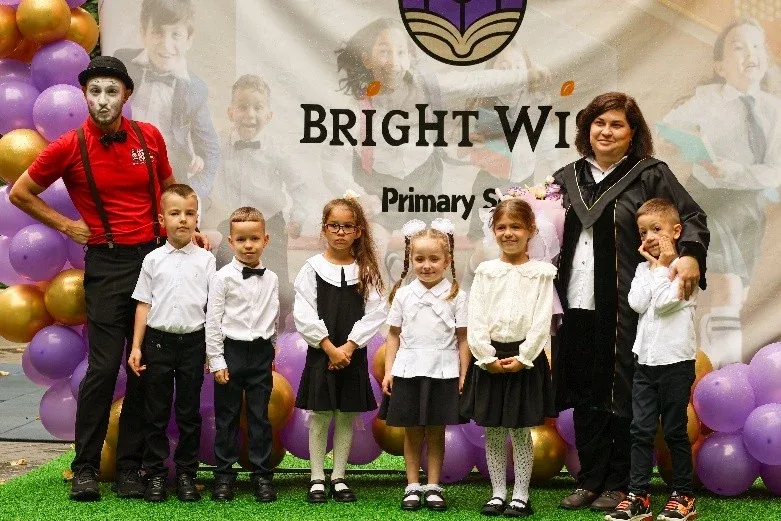
Educational field trips are another component of this practice-oriented educational approach, which Bright Wise It organizes these activities regularly for its students. The children visit companies, manufacturing facilities, creative workshops, and other organizations, where they learn about real-world work processes, observe how various products and services are created, and gain insight into the world of modern professions.
Such field trips help students see how the knowledge they’ve gained in school is applied in real life, broaden their horizons, foster a love of exploration, and help them better understand the connection between learning and the world around them. Interacting with professionals, observing their work, and asking questions make the learning process a more meaningful experience, inspires children to discover new things, and helps them gradually become aware of their interests, strengths, and future opportunities.
During these educational visits, students gain not only new knowledge but also valuable hands-on experience. They explore, experiment, create their own projects, interact with specialists in various fields, and gradually discover their skills, interests, and talents. This approach fosters investigative thinking, initiative, and a conscious attitude toward the learning process. Thus, academic knowledge ceases to be merely abstract information and takes on practical value, helping children better understand the world around them and their own role in it.
International research points to a clear conclusion: the school of the future must prepare children to adapt to change, collaborate, create new things, and engage in lifelong learning. This requires a harmonious blend of fundamental academic knowledge, personal development, and practical experience.
As part of Bright Wise, technologies are not viewed as an end in themselves, but as an effective tool for modern education. During robotics classes and through the use of digital educational resources, students learn to use technologies in a thoughtful, creative, and responsible way. They develop algorithmic and engineering thinking, complex problem-solving skills, the ability to work in teams, and the capacity to bring their own ideas to life. This approach helps children navigate the digital world with confidence and build the skills necessary for a successful life and career in the 21st century.
These principles are applied every day within the framework of Bright Wise. The school's educational program combines traditional academic subjects with courses focused on developing the skills needed for the future, in-depth study of foreign languages, hands-on projects, and learning based on real-life experiences.
The main objective of the Bright Wise is to help every child discover their potential, develop their independence and self-confidence, and acquire the skills necessary not only for academic success but also for life in a modern world full of opportunities, challenges, and constant change.
Sources
- World Economic Forum — The Future of Jobs Report 2025
- OECD — Learning Compass 2030
- UNESCO — Reimagining Our Futures Together