When school adaptation takes longer than expected and how does Bright Wise support each child?
For some children, starting school is an exciting adventure. For others, however, adaptation becomes a challenge that doesn’t pass within a few weeks. You reach December, and the child is still saying that they “don’t have friends,” that they “don’t feel good,” or that “school is not for them.”
As a parent, you begin to feel that something isn’t right. It’s not a passing phase, and it’s not about stubbornness. It is a child overwhelmed by an environment that, so far, does not meet their emotional and relational needs.
Why do some children adapt slowly, even after months?
Difficult adaptation often occurs when:
- connection with classmates remains weak
- the work pace is too fast or too rigid
- the child feels lost in a large class
- does not receive enough individual attention
- is sensitive to changes and needs more time
- does not feel seen, heard, or understood
The child does not want to avoid school; they are avoiding a discomfort they cannot yet express.
These conclusions are also supported by discussions with numerous parents who have faced similar challenges.
Among them were also parents who had already chosen to change schools in search of a more suitable environment.
To the question “Which school did you choose and why?”, several answers pointed to an institution that offers a modern educational approach, different from the usual practice in the Republic of Moldova: Bright Wise.
What makes Bright Wise different?
At Bright Wise, adaptation is not a “forced” process, but a journey built with patience.
Our goal is not to integrate the child quickly, but to help them feel safe, important, and valued.
Here, each child has:
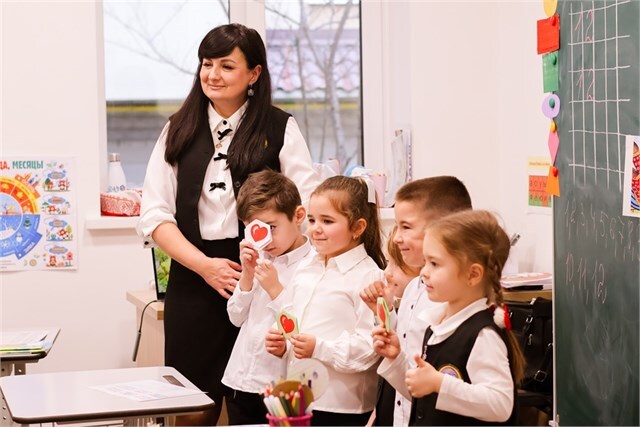
✔️ Mentors who truly observe them
Every emotion, hesitation, and progress matters. The relationship is the foundation of the child’s sense of safety.
Individual guidance and personalized pace
We help them gain confidence, not conform to a pace that doesn’t suit them.
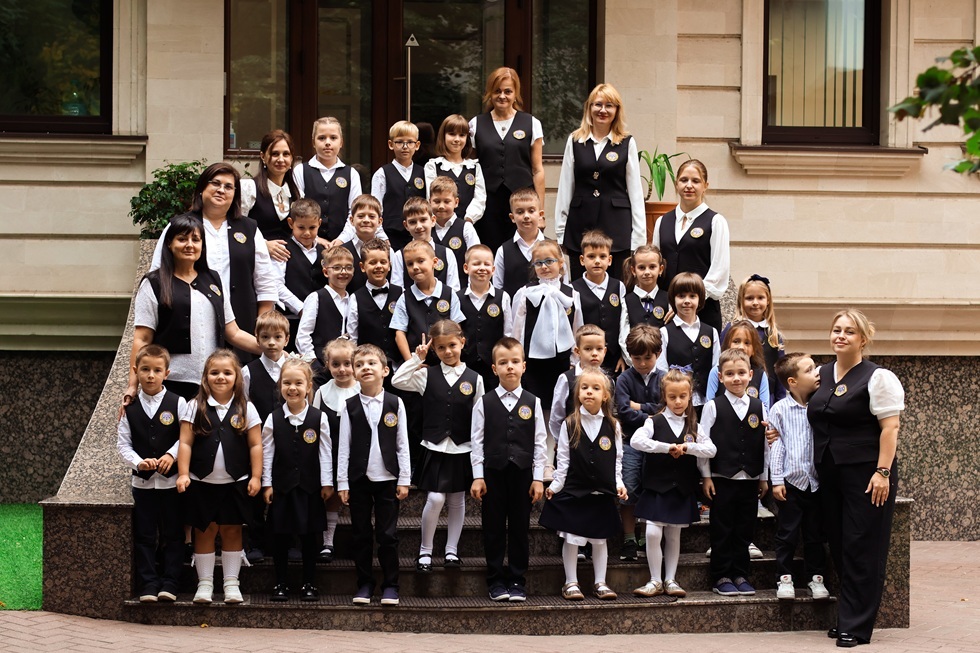
✔️ A small group
In small groups, the child is seen, heard, and constantly supported.
✔️ A calm and predictable environment
A child learns only when they feel safe, so we place emotional well-being on the same level as academic progress.
Special programs that help them understand themselves, build relationships, and grow
To facilitate adaptation and emotional development, at Bright Wise we have created two essential programs:
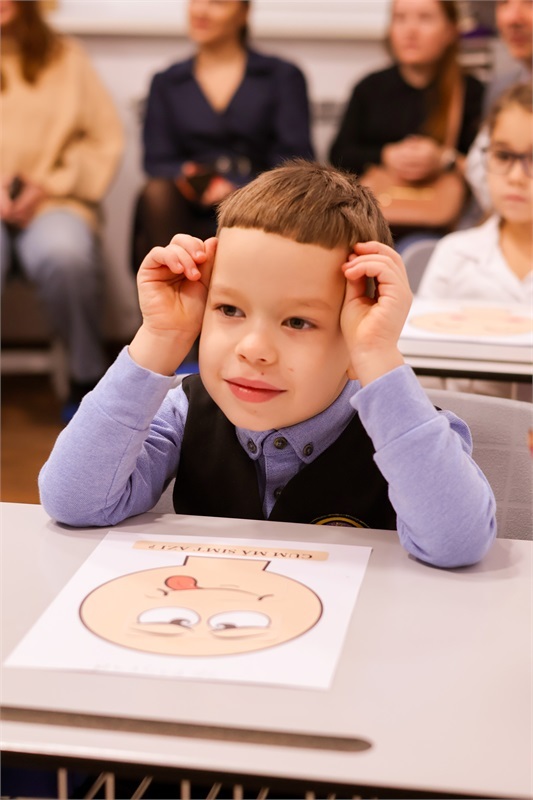
“Emotional Intelligence” — a course through which children discover themselves and learn to build harmonious relationships
In this course:
- children learn to identify and express their emotions
- they discover how to manage conflicts in a healthy way
- they learn to repair relationships with classmates and communicate effectively with teachers
- they gain tools for self-control and empathy
It is a space where each child develops their inner voice, self-confidence, and the ability to build authentic connections.
“Secrets of Reading” — lessons with educational and therapeutic texts
In these lessons, children explore stories and texts with emotional and formative value, from which they learn:
- how to recognize characters’ emotions
- how to handle difficult situations
- how to be empathetic, patient, and brave
- how to understand the world from new perspectives
Reading becomes a gentle tool through which the child clarifies their own feelings and discovers solutions to everyday challenges.
Teachers who build resilience—while staying close with care and emotional support
Our teachers teach children to be:
- resilient in the face of challenges
- perseverant
- able to manage their emotions
But at the same time, they are present beside them every step of the way, offering:
- support
- care
- real encouragement
- personalized guidance
For us, resilience does not mean “to manage alone,” but “to learn to get back up, knowing they are not alone.”
What does transformation look like?
In our internal evaluations, we observe a consistent pattern: children who initially came with fear begin, within a few weeks, to:
- to participate actively
- to make friends
- to speak with confidence
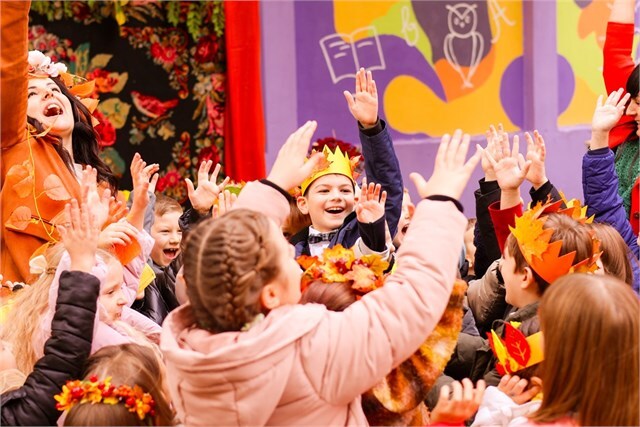
- to smile in the morning
- to discover the joy of learning
It is not magic, it is the result of a system built on genuine attention, authentic relationships, emotional education, and constant mentorship.
A real example:
A little boy who used to enter the classroom in tears began, after three weeks of individual support and hands-on activities in the “Emotional Intelligence” course, to come in with joy, play with others, and be curious during lessons. Everything changed when he felt seen, heard, and understood.
Bright Wise, the place where adaptation is built, not rushed
If you feel that your child does not fit into the current environment, if mornings are difficult, or if they still haven’t found their place in the group, you are not the only parent going through this—and your child does not have to remain stuck in this discomfort.
School adaptation is not only about time, but especially about the environment in which the child is welcomed. And sometimes, the clearest answer comes when you see with your own eyes how a different educational context works. If you feel you need a different perspective for your child, you can always contact the Bright Wise team for a discussion or a visit.